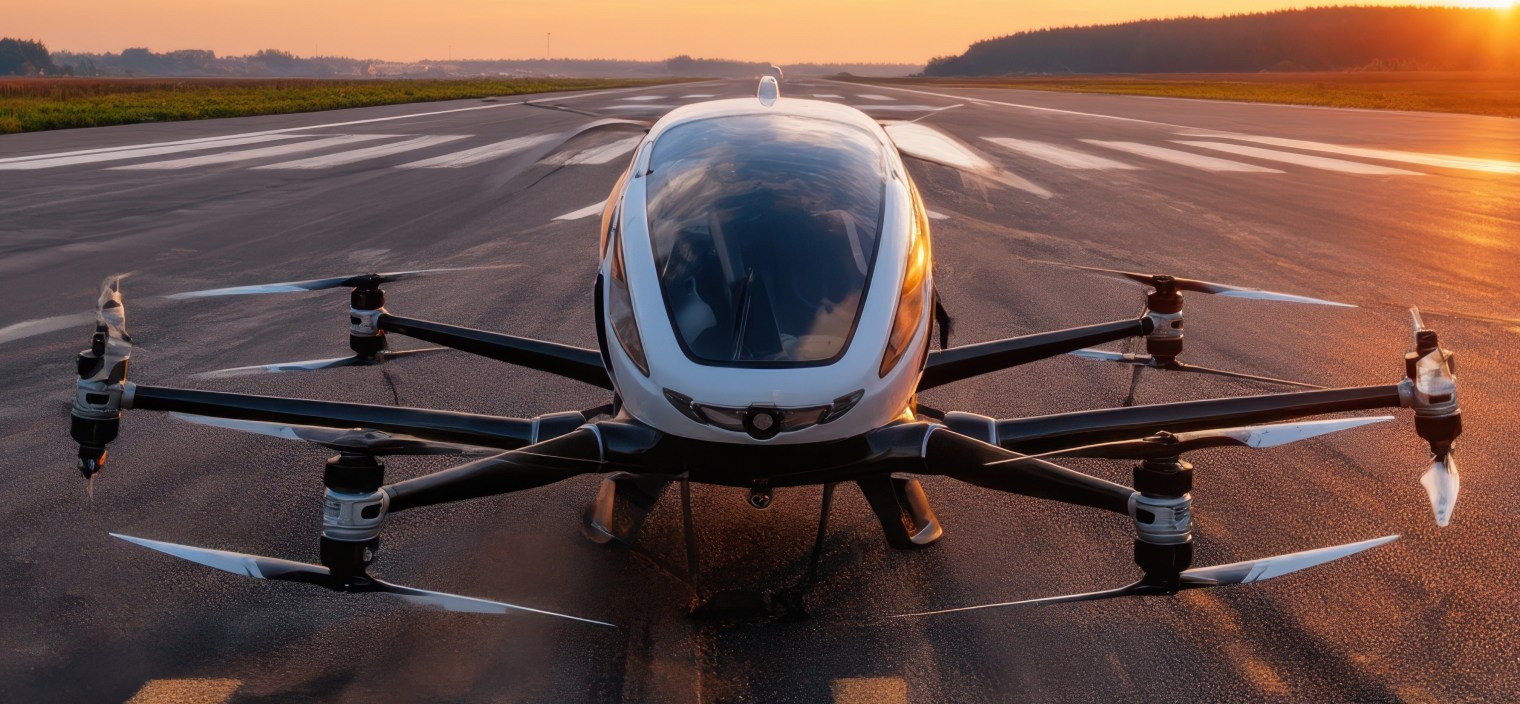

World Pilots Day (April 26th) is an opportunity to recognize the pilots who operate in environments where timing, clarity, and disciplined judgment matter continuously. Their work depends on avionics systems that support situational awareness, reduce operational complexity, and provide reliable information for timely decision-making across every phase of flight.
For nearly 30 years, Performance has been a trusted partner for organizations that demand deep expertise across every avionics domain. With highly tenured engineers and experience across more than 500 programs, Performance brings best-in-class knowledge in safety-critical avionics systems. When it comes to avionics, few understand it as deeply.
Supporting Pilots Through the Power of Performance
Performance develops avionics across commercial, business, general, and emerging aviation sectors, as well as defense platforms, including military rotorcraft, transport aircraft, and unmanned systems. While mission profiles and operating environments vary, the engineering objective remains consistent: ensure pilots have access to reliable information, consistent system behavior, and effective support for timely decision-making. In both sectors, avionics must integrate seamlessly across aircraft systems while maintaining the performance, stability, and trustworthiness required in safety-critical operation.

Our work spans all avionics domains, including flight management systems, flight controls, communications, navigation, and more. As these systems become increasingly complex, Performance is also applying artificial intelligence (AI)-assisted engineering across several avionics programs to improve development efficiency while maintaining the rigor required for safety-critical certification, supporting activities across the entire software lifecycle. The result is avionics engineering focused on the same operational outcome: helping pilots manage complexity, maintain situational awareness, and operate safely and effectively throughout every phase of flight, from wheels up to wheels down.
Communications
Aircraft communications systems have evolved into fully connected environments that enable real-time information exchange between the aircraft, operators, and external networks. Supporting that environment requires more than individual communication links—it requires integrated architectures that bring together flight deck communications, SATCOM, and secure connectivity into solutions that are ready for certification and operational use. Performance supports this domain across all major communication modes, including VHF, HF, UHF, SATCOM, and multi-channel datalink, helping ensure reliable connectivity throughout the mission.
Displays

Displays shape how pilots interpret the aircraft and the environment around them, influencing how quickly information can be understood and acted on in flight. From integrated cockpit displays and heads-up displays (HUD)
to synthetic vision environments, these systems organize critical flight information in a way that supports situational awareness and more effective decision-making across every phase of flight.
Beyond the display itself, Performance also provides the data that brings these systems to life through its Precision Navigation and Mapping product line. This solution delivers aviation-grade navigation and mapping data—including worldwide airport and vertiport mapping databases, navigation data, terrain, obstacles, and high-resolution imagery—designed for use across flight decks and electronic flight bag (EFB) environments.
Engine Controls

Performance has supported leading engine Original Equipment Manufacturers (OEMs) on major engine programs, bringing that experience into safety-critical environments where systems must manage engine behavior with precision while supporting reliable control, system monitoring, and fault-tolerant operation across a wide range of conditions. This includes propulsion and auxiliary power unit (APU) control environments across commercial transport and defense aircraft platforms, supported by engine-control engineering that spans Full Authority Digital Engine Control (FADEC), health monitoring interfaces, control logic, and the integration of sensors, actuators, and fuel-system functions.
Flight Controls
Performance delivers advanced Fly-By-Wire flight control solutions that enable safe, reliable flight, partnering with aviation OEMs and integrators to engineer, certify, and sustain Flight Control Systems (FCS). Experience spans multiple FCS programs, including providing the majority of software for one of the industry’s largest wide-body, twin-engine aircraft, and extends into the systems that govern aircraft response in flight—covering control laws, actuator behavior, and automated flight functions engineered for consistent, predictable performance.
Flight Management Systems

Flight Management Systems (FMS) sit at the center of how pilots plan, guide, and optimize the aircraft throughout the mission, bringing together navigation, guidance, performance, and aircraft data to support more efficient operations, reduced workload, and better decision-making from departure through arrival.
Performance supports both traditional and NextGen connected FMS development, partnering with aviation OEMs and integrators to engineer, integrate, and certify these systems. This work combines flight planning, navigation, and performance capabilities with the software and interface layers that shape pilot interaction, along with connected features such as datalink and data communication.
Power Distribution
Electric power distribution is fundamental to aircraft reliability, governing how power is controlled, monitored, and delivered across critical systems. As aircraft become more integrated and more electrically complex, this domain plays an increasingly important role in maintaining stable system behavior and ensuring essential avionics functions remain available throughout the mission.
Performance supports power distribution through work in electric power architecture, control units, intelligent power-management technologies, embedded software, and the interfaces that connect these functions across the aircraft. Our experience includes support for leading engine OEMs on major engine and power-related programs, with work spanning commercial transport and defense platforms where propulsion and electrical systems are closely integrated to support reliable aircraft operation.
Cabin Management

Cabin management systems broaden the scope of avionics beyond the flight deck by shaping the passenger experience through information, entertainment, and connected services. While these systems are passenger-facing, they still depend on the same disciplined integration of software, data, displays, and aircraft interfaces that define other avionics domains.
To support that environment, Performance develops cabin-management capabilities that include cabin software integration, custom applications, moving-map systems, high-resolution imagery, and other passenger entertainment-related functionality for a more engaging and informative passenger experience.
Your Trusted Partner for Avionics Systems
Across modern aircraft, the goal is the same: deliver systems that pilots can rely on without hesitation. That standard is what continues to shape how avionics are engineered—and how they support safe, effective operation.
At Performance, that standard is backed by combining decades of deep avionics expertise with disciplined engineering practices to support successful execution across modern, safety-critical programs.
If your avionics program is focused on delivering systems pilots can trust in real-world conditions, contact Performance today.